


#1
Understanding the Process
Initial Agreement and Deposit
Once an offer is accepted, an effective purchase agreement becomes a legally binding arrangement between you and the seller. To keep the process moving smoothly, keep these principles in mind:
- Maintain written records of all communications, including verbal agreements, counter-offers, and any addendums. Our team can assist in drafting and distributing these documents to all parties.
- Respect the agreed-upon timeline. Both you and the seller will be held to a schedule that governs each stage of the closing process.
The Closing Agent
After both parties have signed the contract, a title company or licensed attorney will serve as the escrow or closing agent. Your deposit will be placed in escrow, a neutral third-party arrangement designed to hold and distribute all transaction funds until the closing date. The escrow agent will research the complete history of the property to confirm the title is free of encumbrances and that any new encumbrances are recorded correctly. All contingencies in the Purchase Agreement must be satisfied before escrow can close and ownership can transfer.
How to Hold Title
There are several methods for holding title to a property, each with distinct implications for ownership transfer, financing, collateralization, and taxation. We strongly recommend consulting with a qualified attorney or tax advisor to determine the best approach for your specific situation. We are glad to connect you with trusted legal and financial professionals in our network.
Property Inspections
As part of the contingencies in your Purchase Agreement, you will schedule a licensed property inspector to assess the home within the agreed-upon timeframe. Inspectors evaluate the overall condition of the property and flag any concerns you should know about. For more specialized assessments, you may wish to bring in additional inspectors with expertise in specific areas such as roofing, plumbing, or electrical systems. For commercial properties, an environmental audit or soil test may be required by the lending institution. If inspections reveal issues not reflected in the purchase agreement, you have the right to request a renegotiation of the terms, including the purchase price.
Appraisals and Lending
Stay in regular contact with your lender throughout the process so you can respond quickly when additional documentation is needed. If your Purchase Agreement is contingent upon financing, the lender will require an independent appraisal by a licensed third-party appraiser. The appraiser will evaluate the property based on building costs, square footage, income potential, comparable sales, and other relevant factors to confirm the investment value. Plan to follow up with your lender at least two weeks before closing to verify that the loan will be approved on schedule.
Association Approval
Certain properties require approval from a homeowners or building association before the purchase can be finalized. If this applies to your property, request all relevant rules, regulations, and required documentation from the seller as early as possible. The Purchase Agreement will outline the timeline for submitting paperwork and completing any required appointments. Once approval is granted, your closing agent will obtain the original approval letter so it can be recorded with the deed in the county record books at closing.
Property Insurance
A standard property insurance policy protects your investment against damages from fire, theft, and certain weather events. While not all states legally require property insurance, most mortgage lenders do. Depending on how you intend to use the property, you will need to secure either homeowners insurance if you plan to occupy the home or landlord insurance if you intend to rent it out as part of your investment strategy.
Ready to buy or sell in Central Texas? Call us today at 512.910.7355 and let Real Property Management Services simplify the process for you.
Get In Touch
Tips For Buying
These are the principles we share with every buyer we work with, because protecting your investment starts before you ever sign a contract.

Don’t Max Out Your Budget
Being approved for a maximum loan amount does not mean you should spend every dollar of it on the purchase price. Reserve funds for closing costs, property taxes, and any repairs or upgrades the home may need after you move in.

Get To Know The Area
Take time to explore the neighborhoods you are considering. Proximity to quality schools, shopping, transportation, and community amenities all play a role in your daily quality of life and the long-term resale value of the property.

Never Skip the Home Inspection
A thorough inspection is one of the most valuable steps in the entire buying process. A qualified inspector will identify issues that are not visible to the untrained eye, giving you the information you need to negotiate effectively or make a more informed decision.

Get Pre-Approved
Pre-approval signals to sellers that you are a serious, qualified buyer. It removes uncertainty from the process and positions you as a stronger candidate in competitive markets where multiple offers are common.
One Partner For All Your Real Estate Needs

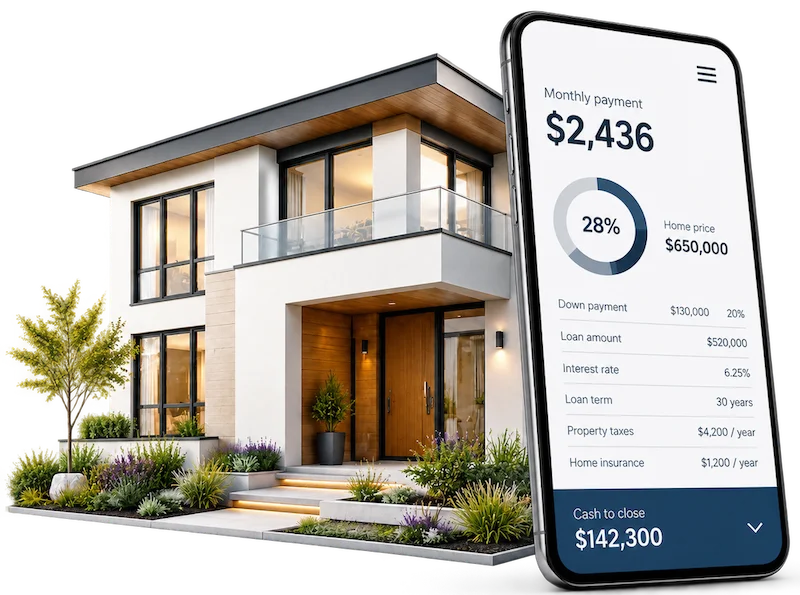
Find Out How Much Your Mortgage Will Be
Resources For Central Texas Home Buyers
Use our mortgage calculator to get a real-time estimate of your monthly payments based on your purchase price, down payment, and loan terms, so you can plan with confidence.
Central Texas Real Estate
Areas We Serve
- Central Texas
- San Antonio
- Austin
- Killeen
- Temple
- Highland Lakes